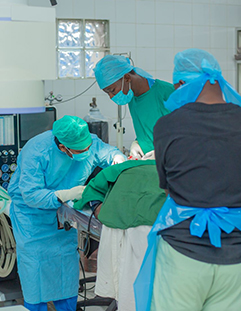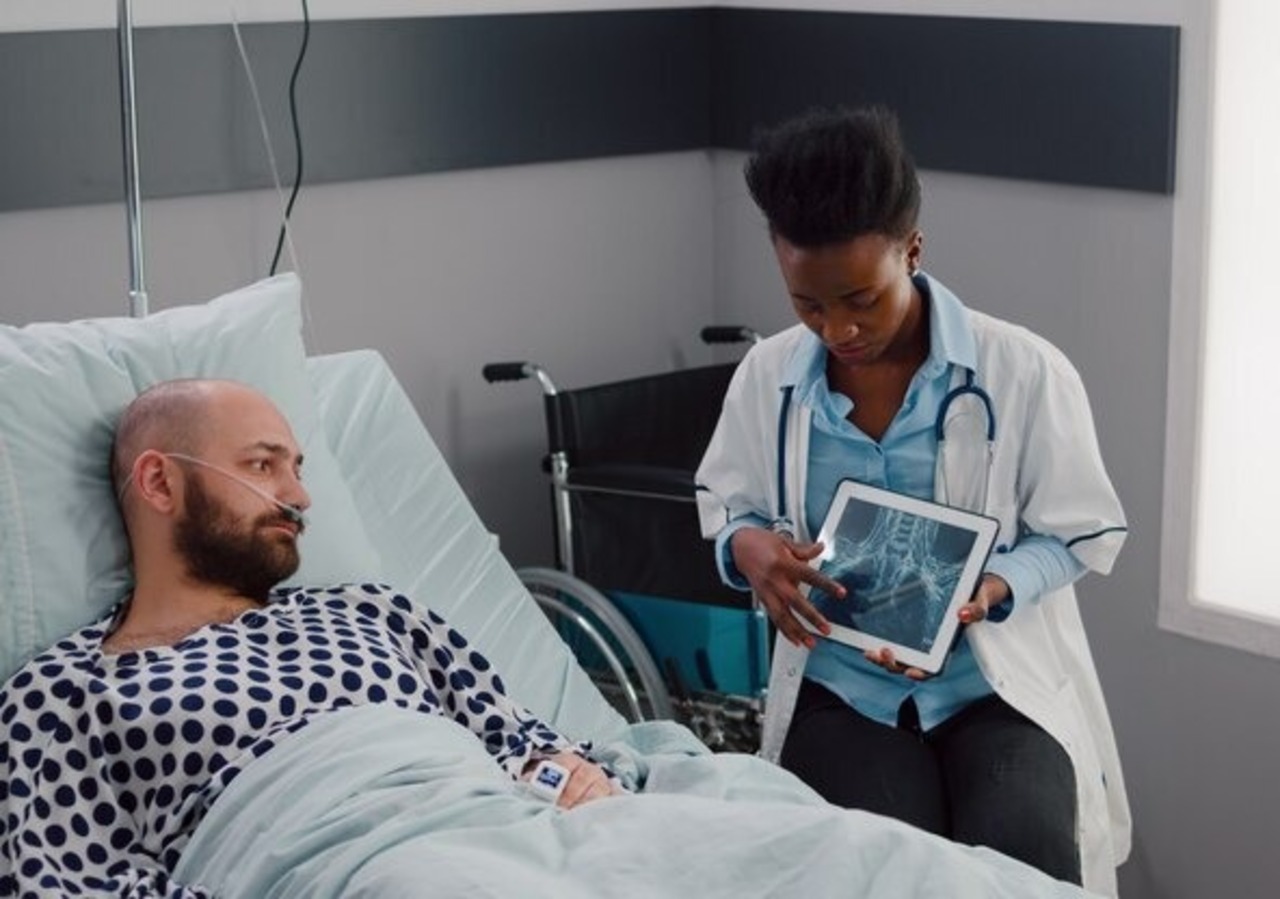
"Successful colorectal surgery isn’t just about removing disease—it’s about restoring quality of life.” This perspective is essential, as colorectal conditions, from polyps and diverticulitis to more severe issues like colorectal cancer, can significantly impact one’s health and comfort. For individuals in Freetown or across Sierra Leone, understanding the key factors contributing to effective colorectal surgery and recovery is vital to making informed treatment decisions.
This blog’ll uncover what patients and caregivers should look for when seeking optimal colorectal care, supported by expert opinions, recent trends, and the latest statistics on colorectal health outcomes.
Cancer surgery addresses diseases affecting the colon, rectum, and anus, which can involve anything from benign tumors to malignant growths. The need for surgery is often linked to life-threatening conditions like colorectal cancer or conditions causing severe discomfort, like inflammatory bowel disease (IBD) or severe cases of diverticulitis. With colorectal cancer being the third most common cancer globally, early detection and optimal treatment are more crucial than ever.
Early Diagnosis and Specialist Referral
According to the American Cancer Society, over 50% of colorectal cancer cases are diagnosed in the later stages, affecting recovery outcomes. Early detection significantly improves survival rates, with Stage I cancers having a 90% five-year survival rate compared to 10% for Stage IV cancers. Early signs like blood in stool, abdominal pain, and sudden weight loss should prompt immediate consultation with a colorectal doctor near you in Freetown or any nearby city.
Access to an Experienced Colorectal Specialist
Finding an experienced colorectal specialist in Sierra Leone, can be challenging due to a lack of specialized facilities. However, choosing a general surgeon with colorectal experience or a surgeon with international exposure can make a big difference in care quality. Many specialists emphasize the importance of seeking treatment from a qualified colorectal surgeon rather than a general surgeon alone, as colorectal procedures often require advanced skill sets and specialized equipment for optimal outcomes.
Advanced surgical techniques
Minimally invasive techniques, such as laparoscopic and robotic-assisted surgeries, have revolutionized colorectal surgery. These procedures allow for smaller incisions, reduced pain, and faster recovery times. According to recent studies, patients who undergo minimally invasive colorectal surgery often experience a 30% faster recovery than those undergoing traditional open surgery.
For those in Freetown or Sierra Leone, it is crucial to ask your specialist about the surgical options available. Facilities that offer these advanced techniques are likely to provide better postoperative outcomes.
Comprehensive Preoperative and Postoperative Care
Optimal colorectal surgery requires a focus not only on the procedure itself but also on the preoperative and postoperative phases. Pre-surgery, patients may need a bowel preparation protocol to cleanse the colon. This is often followed by dietary adjustments and possibly antibiotics to reduce the risk of infection.
After surgery, a tailored recovery plan should include pain management, physical activity guidelines, and dietary recommendations. Regular follow-up with your surgeon, whether locally or via telemedicine, is essential for monitoring recovery progress.
Multidisciplinary Approach
An optimal treatment plan often includes a team of specialists, including colorectal surgeons, oncologists, radiologists, and nutritionists, working together to offer holistic care. This collaborative approach is critical for patients with colorectal cancer, who may need additional treatments like chemotherapy or radiation. Engaging in such a multidisciplinary approach can help personalize treatment, address complications more effectively, and improve overall survival.
Patient education and informed decision-making
Understanding one’s diagnosis, surgical options, and postoperative care is essential. A well-informed patient is more likely to engage in their own recovery process, enhancing treatment outcomes. Your colorectal specialist or doctor should provide you with comprehensive information about each stage of the surgery and recovery process. Seeking a "colorectal specialist in Sierra Leone" who prioritizes patient education can make a significant difference.
Enhanced Recovery After Surgery (ERAS) Protocols
ERAS protocols involve preoperative optimization, early mobilization, and nutritional support, all designed to reduce hospital stays and minimize complications. Studies show that ERAS protocols reduce hospitalization times by an average of 2 to 3 days compared to traditional care models.
Genetic testing and targeted therapy
Genetic advancements allow for more tailored treatments, especially in cases involving colorectal cancer. Genetic testing helps identify the most effective treatments based on an individual’s genetic profile. This is particularly beneficial for high-risk patients and can reduce the need for invasive procedures.
Artificial Intelligence in Early Detection
AI technology is transforming the early detection of colorectal diseases, making screening processes more accurate. The application of AI in colonoscopy can improve the detection of precancerous polyps by up to 20%, increasing the chances of early intervention.
In Sierra Leone, access to specialized healthcare remains limited, and colorectal surgery often requires either extensive travel or consultation with general surgeons who may not specialize in colorectal procedures. However, with increasing awareness and international collaborations, some local hospitals and health organizations are improving access to colorectal care. Patients are encouraged to consult general surgery departments in Freetown and inquire specifically about colorectal care capabilities.
If you are looking for a “colorectal doctor near me in Freetown,” then CMH Hospital can be your best bet. From expert team to well-equipped hospital or clinics for the best treatment experience. For individuals unable to find dedicated specialists, then this CMH hospital is the best place to get prompt treatment and recovery.
How to Prepare for Colorectal Surgery
Patients preparing for colorectal surgery should consider the following:
Ask about Preoperative Testing: Testing can help assess general health and readiness for surgery.
Adhere to Preoperative Bowel Preparation: A clean colon minimizes infection risks.
Postoperative Care Plan: Prepare for limited physical activity and dietary adjustments in the weeks following surgery.
Mental Preparation: Engaging with support groups or counselors can help alleviate pre-surgery anxiety.
Colorectal surgery can be life-saving and life-enhancing when carried out under optimal conditions with a skilled surgeon and a supportive care team. For those in Freetown or other areas in Sierra Leone, CMH hospital has a team of qualified colorectal specialists, even if through telemedicine, can make a significant difference. By being informed, proactive, and supported by a skilled medical team, patients can navigate their colorectal health journey with confidence and clarity.
Choosing the right treatment path, understanding the latest advancements, and following best practices in preoperative and postoperative care all contribute to successful outcomes.