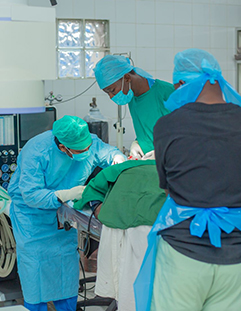
In the bustling city of Freetown, Sierra Leone, healthcare is rapidly advancing with the introduction and increased accessibility of magnetic resonance imaging (MRI) technology. MRI scans in Freetown have become a cornerstone of modern medicine, providing detailed images of the body's internal structures. This advancement holds significant potential for diagnosing and managing various diseases. In this blog, we will explore how MRI scans can aid in disease detection and treatment, the benefits of full-body MRI scans, and how to find an MRI scan in Freetown.
Full body MRI scans, or magnetic resonance imaging, are a non-invasive imaging technology that produces three-dimensional, detailed anatomical images. People often use it for disease detection, diagnosis, and treatment monitoring. MRI scans use strong magnetic fields and radio waves to generate images of organs and tissues within the body. Unlike X-rays and CT scans, MRI scans in Freetown do not use ionizing radiation, making them a safer option for repeated use.
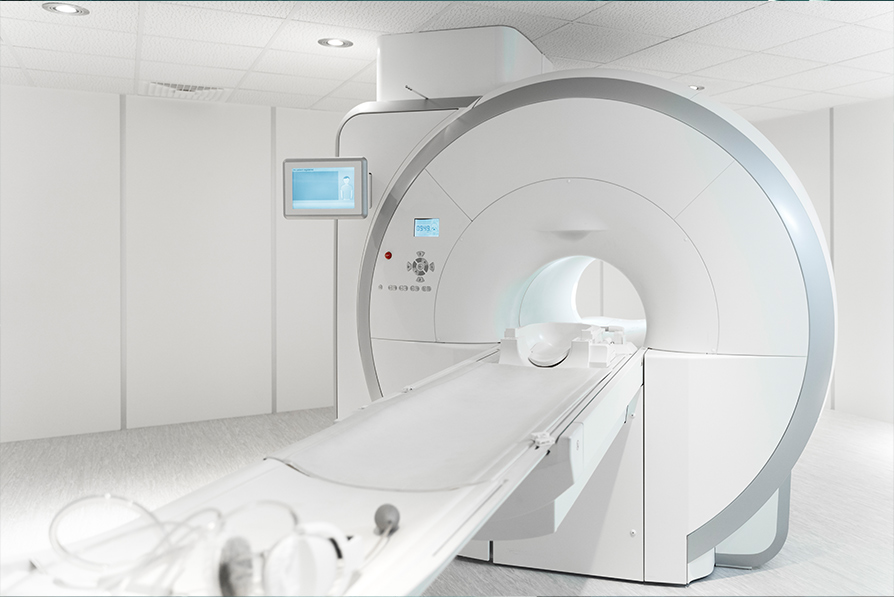
The MRI scans consist of a large tube containing powerful magnets. When a patient lies inside the MRI scanner, the magnetic field temporarily realigns hydrogen atoms in the body. These aligned atoms produce faint signals through radio waves, creating cross-sectional MRI images akin to slices in a loaf of bread. A computer can examine these slices from various angles and construct them into three-dimensional images.
Neurological Disorders
MRI scans are particularly valuable in diagnosing neurological conditions. They can reveal abnormalities in the brain and spinal cord, such as tumors, bleeding, nerve injuries, and issues related to multiple sclerosis. Early detection of these conditions can significantly improve treatment outcomes.
For musculoskeletal problems, MRI scans provide detailed images of bones, joints, and soft tissues, including muscles, tendons, and ligaments. This is crucial for diagnosing conditions such as torn ligaments, herniated discs, and other injuries that might not be visible on X-rays.
Cardiovascular Diseases
Cardiac MRI is a powerful tool for visualizing the structure and function of the heart and major blood vessels. It helps in diagnosing coronary artery disease, heart valve defects, and cardiomyopathies. It also plays a role in planning surgeries and other treatments.
MRI scans can detect issues in the abdominal and pelvic regions, including tumors, liver diseases, kidney diseases, and other gastrointestinal tract abnormalities. In women, MRI can investigate uterine and ovarian conditions, while in men, it can assess prostate health.
A full-body MRI scan is a comprehensive diagnostic tool that provides detailed images of the entire body. This type of MRI scan is useful for early disease detection, often before symptoms appear. It can screen for cancer, vascular diseases, and other abnormalities across the body in a single session.
Early detection of potential health issues can lead to more effective treatment.
Non-Invasive: Unlike many other diagnostic procedures, an MRI scan is non-invasive and does not involve radiation exposure.
Comprehensive: Provides a complete overview of the body's internal structures, helping in the identification of abnormalities that might not yet cause symptoms.
Preventive Health: Useful for individuals with a high risk of certain diseases due to family history or lifestyle factors.
We typically do not recommend full-body MRI scans for everyone because of their cost and the potential for incidental findings that may require further testing. However, they can be particularly beneficial for individuals at high risk of specific diseases, those with a family history of cancer, or anyone who desires a thorough health assessment for peace of mind.
As Freetown's healthcare infrastructure improves, more MRI centers will become available to the public. When searching for an MRI center near me in Freetown, consider the following:
Ensure the MRI center is accredited and uses up-to-date technology. Accreditation from reputable health organizations can assure quality and safety standards.
Choose a center for full-body MRI scans that has radiologists and technicians with specialized training in MRI technology. Experienced professionals can provide more accurate diagnoses.
Consider the MRI scan center's location and accessibility from your home or workplace. Some centers might offer flexible scheduling options, including weekends and evenings.
Look for patient reviews and testimonials about the MRI scan center. Positive feedback regarding patient care, comfort, and diagnostic accuracy can help you make an informed decision.
Check whether the MRI scan center accepts your health insurance and inquire about the costs involved. Some centers may offer payment plans or financial assistance for those without insurance coverage.
The availability of MRI scans in Freetown marks a significant advancement in the city's healthcare landscape. With their ability to provide detailed images of the body's internal structures without the use of radiation, MRI scans play a crucial role in diagnosing and managing a wide range of diseases. Full-body MRI scans offer a comprehensive assessment of one’s health, which is particularly beneficial for early detection and preventive care.
When searching for an MRI center near me in Freetown, consider factors such as accreditation, specialist expertise, accessibility, and cost. By leveraging this powerful diagnostic tool, patients in Freetown can benefit from early detection and improved management of various health conditions, leading to better health outcomes and an enhanced quality of life.