Joint replacement surgery is a life-changing solution for individuals suffering from chronic joint pain, stiffness, or reduced mobility due to conditions like arthritis or injury. At CMH Hospital in Freetown, we specialize in providing advanced care to help patients regain their mobility and quality of life. If you’re considering this procedure, here’s what you can expect at each stage of the journey: before, during, and after surgery.
Proper preparation is essential for a successful joint replacement surgery. Here's what you should know:
Consultation and Evaluation
Your surgeon will evaluate your medical history, conduct imaging tests like X-rays or MRIs, and discuss the best surgical options for your condition. For those with arthritis, joint replacement can be an effective solution when other treatments no longer provide relief.
Preoperative Instructions
Lifestyle Adjustments: Your doctor may recommend weight management or physical therapy to strengthen muscles around the joint.
Medications: You’ll be advised on medications to stop or continue before surgery.
Home Preparation: Organize your living space for easy navigation post-surgery. Remove obstacles and set up essential items within reach.
Mental and Emotional Readiness
Understanding the process and setting realistic expectations can help reduce anxiety. Your care team will guide you through the procedure and recovery plan.
Joint replacement surgery typically involves removing damaged joint components and replacing them with artificial implants.
Types of Joint Replacement
Hip Replacement Procedure: Commonly performed for arthritis or severe hip damage, this involves replacing the damaged ball-and-socket joint with a prosthetic.
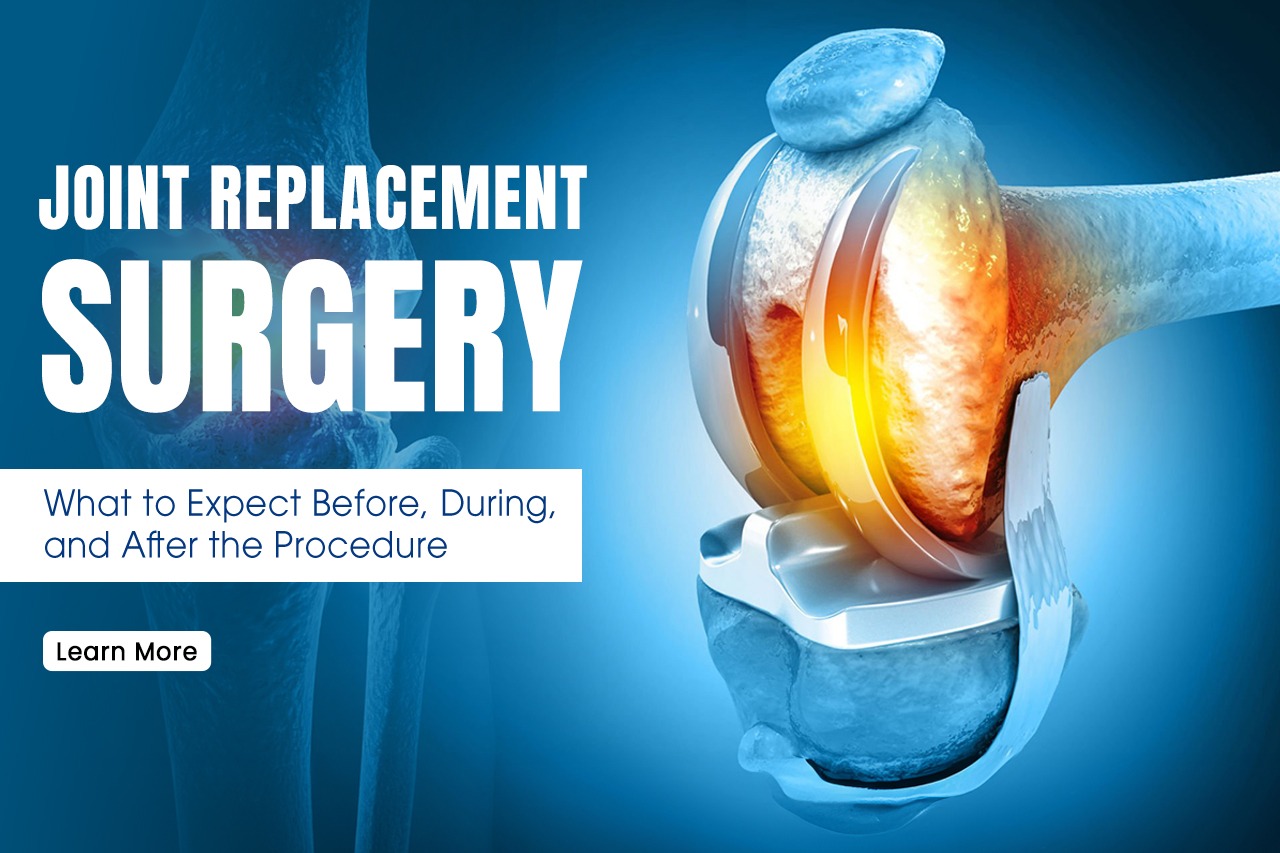
Knee Replacement Surgery: The worn-out cartilage and bone are replaced with metal and plastic components.
Other Joints: Shoulders, elbows, and ankles can also be replaced depending on the patient’s needs.
Procedure Overview
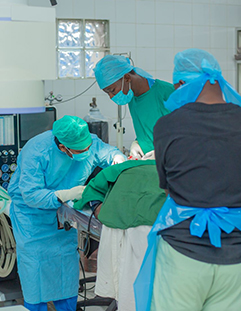
The surgery is performed under anesthesia (general or regional).
The surgeon removes the damaged joint parts and replaces them with artificial components made of metal, ceramic, or plastic.
Most procedures take a few hours, and minimally invasive techniques may reduce recovery time.
Recovery is a critical phase of joint replacement surgery, focusing on restoring mobility and strength.
Hospital Stay and Immediate Recovery
Patients are typically monitored for a few days post-surgery.
Pain management and infection prevention are prioritized.
Physical therapy begins shortly after surgery to promote mobility.
Rehabilitation at Home
Physical Therapy: Regular sessions help regain strength, flexibility, and range of motion.
Daily Activities: You’ll gradually return to normal activities under your doctor’s guidance.
Long-Term Care
Maintaining a healthy lifestyle and regular follow-ups with your doctor are essential for optimal results.
For those undergoing joint replacement for arthritis, ongoing care helps prevent complications.
Patients often experience significant improvements, including:
Reduced pain and discomfort.
Improved mobility and flexibility.
Enhanced quality of life and ability to perform daily tasks.
At CMH Hospital, we are committed to providing world-class care for patients undergoing joint replacement surgery. Our team of skilled surgeons, advanced technology, and personalized care plans ensure the best outcomes for every patient.
Key Highlights of Our Services:
Expertise in hip replacement procedures and other joint surgeries.
Comprehensive preoperative and postoperative care, including rehabilitation programs.
State-of-the-art facilities and compassionate support for a smooth recovery.