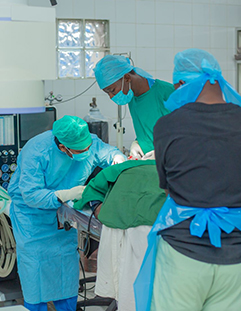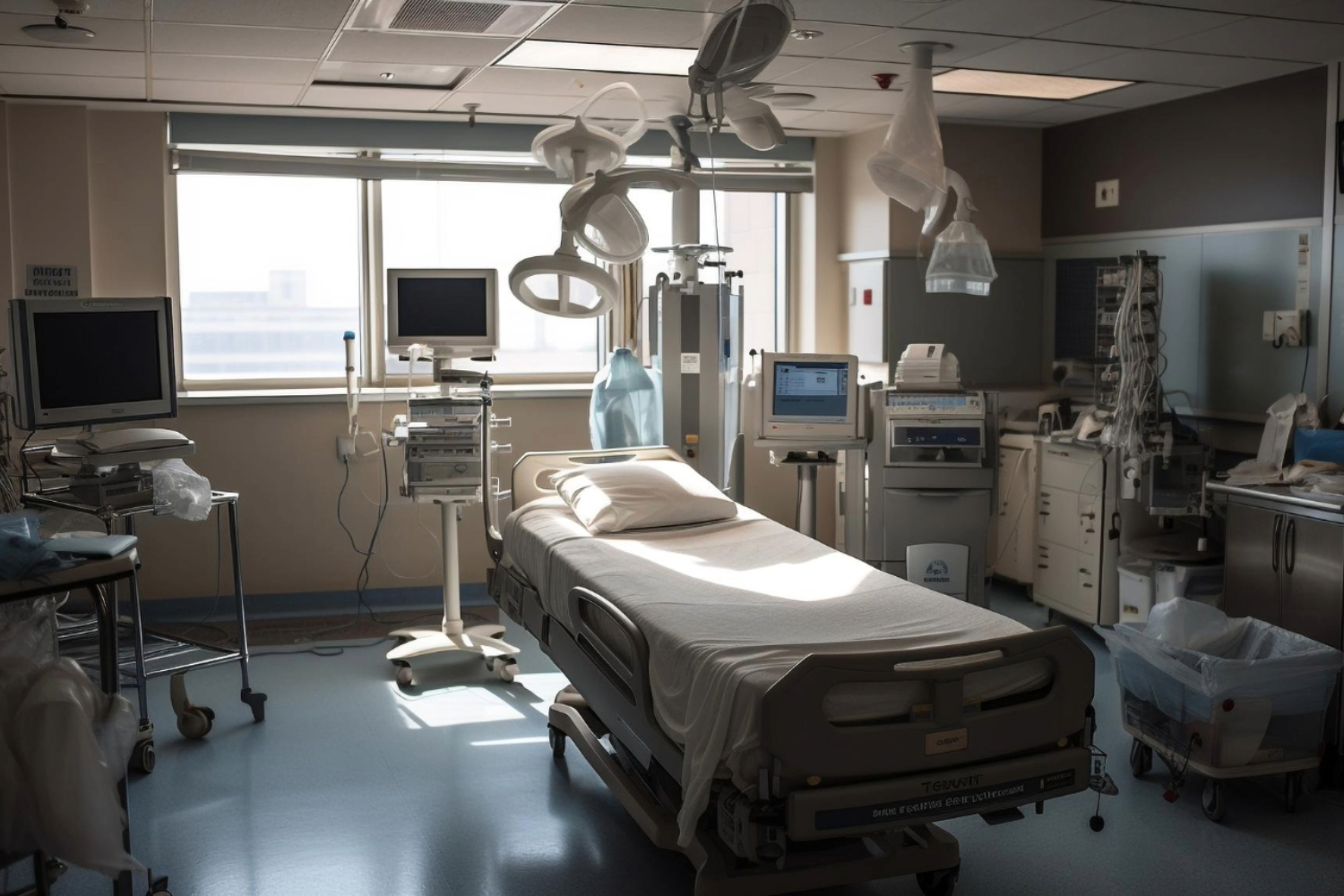
Sometime in our lives, we experience days in hospitals where we need to wait outside the ICU for the treatment of our loved ones. There is no one allowed there except the proficient doctors and their teams. The Intensive Care Unit (ICU) plays a crucial role in modern healthcare. It is designed to provide specialized treatment for critically ill patients, often involving life-saving procedures and round-the-clock monitoring. From managing severe infections to handling postoperative care, the ICU is a hub for advanced medical intervention. This kind of thing sometimes raises curiosity about what are the medical procedures performed in the ICU or Intensive Care Unit. In this blog, we are going to explore the different medical procedures and much more.
Patients in the ICU often have conditions that are too complex or unstable to be managed in other parts of the hospital. Conditions treated in the ICU in Freetown include heart attacks, strokes, severe pneumonia, major surgeries, and serious trauma injuries. Each of these conditions requires specialized care, often involving sophisticated procedures that demand expertise and quick decision-making. The availability of these resources makes a significant difference in patient outcomes.
The ICU department houses many medical procedures aimed at stabilizing patients and aiding recovery. These procedures are typically performed by a multidisciplinary team consisting of physicians, nurses, respiratory therapists, and other healthcare professionals.
Patients who are unable to breathe on their own may require mechanical ventilation. A machine takes over the work of breathing, delivering oxygen and removing carbon dioxide from the patient's body. This is commonly used for patients with respiratory failure, post-surgery, or severe infections such as COVID-19.
When a patient’s kidneys fail, dialysis is performed to remove waste products and excess fluid from the body. It involves using a machine to filter the patient’s blood, mimicking the natural process performed by healthy kidneys. Patients with acute kidney injuries or those awaiting a transplant often require dialysis in the ICU.
ICU patients often require continuous monitoring of vital signs. Invasive monitoring methods, such as the insertion of central lines and arterial catheters, provide precise measurements of blood pressure, heart function, and oxygen levels. This enables medical teams to closely monitor a patient's condition and adjust treatments in real-time.
CPR is a life-saving procedure used to restore breathing and circulation in patients experiencing cardiac arrest. Immediate CPR followed by defibrillation (if necessary) increases the chances of survival and minimizes damage to the brain and other organs.
When long-term mechanical ventilation is needed, a tracheostomy might be performed. This involves surgically creating an opening in the neck to insert a tube directly into the windpipe (trachea) to assist breathing. It’s often used for patients with prolonged respiratory failure.
Many ICU patients require continuous delivery of medication such as antibiotics, pain relief, or sedatives. Intravenous medication ensures that drugs are delivered quickly and efficiently to maintain the patient’s stability.
In places like Freetown, the capital of Sierra Leone, the development of ICU care has been slower due to resource limitations. According to WHO statistics, healthcare in developing nations faces challenges like inadequate infrastructure, trained personnel shortages, and limited access to advanced medical technology. But there is one hospital that is leaving no stone unturned to provide the best medical assistance to the locals of Freetown. That hospital's name is CMH Hospital. This multi-specialty hospital is well-equipped with advanced healthcare treatments for the better health of the citizens. So if you are looking for the best ICU in Freetown, then CMH Hospital is your one-stop destination.
The Intensive Care Unit is a critical part of modern healthcare, providing life-saving care for patients with severe illnesses or injuries. The ICU department is always changing to meet the needs of patients. It has new procedures like mechanical ventilation and dialysis, as well as new trends like tele-ICU and AI integration.
While ICUs in regions like Freetown still face challenges, improvements in infrastructure and training are helping to bridge the gap in critical care. As we move forward, the emphasis on personalized medicine, family involvement, and addressing the human side of ICU care will continue to shape the future of this essential medical field.
Knowing the procedures done in the ICU department shows how important this department is. It also shows that we need to keep doing new things and investing in critical care, especially in areas with fewer resources.