Polycystic Ovarian Disorder (PCOD) is no longer just a health issue; it’s an escalating global concern that impacts 1 in 10 women of reproductive age. As awareness grows, many women across the world are finally getting the answers they need regarding their reproductive health. According to the World Health Organization (WHO), about 116 million women globally are affected by PCOD—a statistic that has seen a significant rise in the past decade.
But what exactly happens in PCOD, and why is it becoming so prevalent? From Sierra Leone to the rest of the world, the rise in cases can be attributed to multiple factors, including lifestyle changes, environmental influences, and genetic predispositions. In this blog, we'll unravel what happens in PCOD, explore why PCOD happens, and look at various PCOD problem treatments available today, with a specific focus on areas like Sierra Leone where healthcare solutions are evolving.
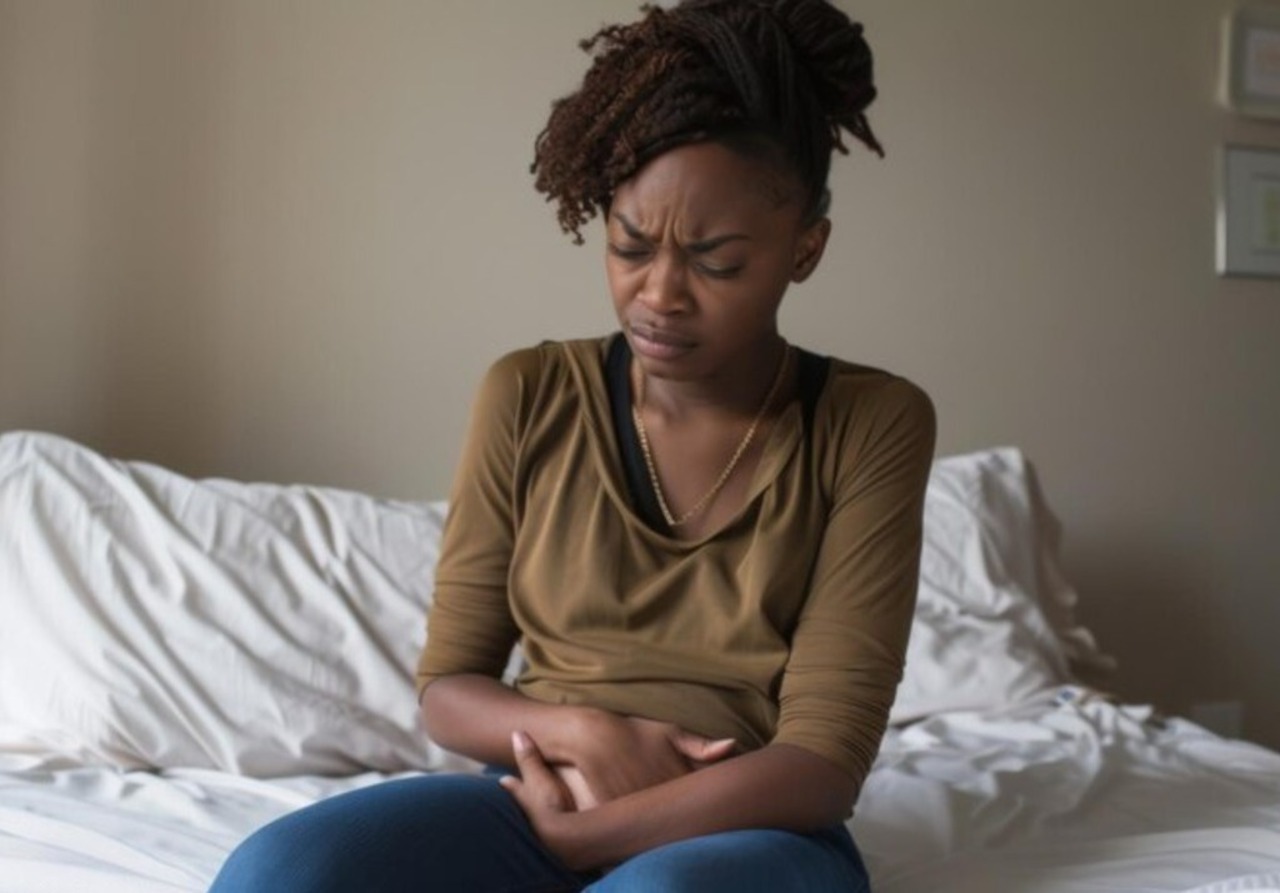
At its core, PCOD (also known as Polycystic Ovary Syndrome or PCOS) is a hormonal imbalance that affects the ovaries. Women with PCOD have enlarged ovaries that contain small cysts filled with fluid. This disrupts the normal functioning of the ovaries, leading to various symptoms such as irregular periods, difficulty conceiving, excessive hair growth, and weight gain.
So, what happens in PCOD? Essentially, the ovaries produce more male hormones (androgens) than normal, which interferes with the development and release of eggs during ovulation. This hormonal imbalance leads to irregular menstrual cycles and the development of cysts in the ovaries. Over time, PCOD can lead to more serious complications like infertility, type 2 diabetes, and cardiovascular diseases if left untreated.
The exact cause of PCOD problem treatment in Sierra Leone is not entirely understood, but it’s believed to be the result of a combination of genetic and environmental factors. If you’re wondering why the PCOD problem happens, here are some key contributors:
Genetics: Research suggests that PCOD tends to run in families, indicating that certain genes may make women more susceptible to developing the condition.
Insulin Resistance: One of the most common links to PCOD is insulin resistance. When the body becomes resistant to insulin, the pancreas produces more of it. High insulin levels stimulate the ovaries to produce more androgens, which can disrupt ovulation and lead to PCOD.
Inflammation: Chronic low-grade inflammation has been observed in women with PCOD. Inflammation can contribute to increased androgen production, worsening the symptoms of PCOD.
Lifestyle Factors: Poor diet, lack of physical activity, and obesity can exacerbate insulin resistance and hormonal imbalances, increasing the likelihood of developing PCOD.
Recognizing the symptoms early on can lead to timely diagnosis and treatment. Here’s what to look out for:
Irregular periods: Women with PCOD often experience missed or irregular menstrual cycles, with some having fewer than eight periods a year.
Weight gain: Unexplained weight gain, particularly around the abdomen, is a common symptom of PCOD.
Excessive hair growth: Known as hirsutism, women with PCOD often experience excessive hair growth on the face, chest, and back due to elevated androgen levels.
Acne and oily skin: Hormonal imbalances in PCOD can cause acne, particularly on the face, chest, and upper back.
Hair thinning: On the flip side, some women with PCOD experience hair thinning or loss on the scalp, similar to male-pattern baldness.
Difficulty conceiving: PCOD is one of the leading causes of infertility, as the irregular ovulation cycle makes it harder for women to conceive naturally.
Addressing the PCOD problem requires a multi-faceted approach, especially in regions like Sierra Leone where healthcare infrastructure is still developing. While the healthcare system in Sierra Leone has made strides in providing more accessible treatment options, women may still face challenges in receiving specialized care for conditions like PCOD. Here's a look at how PCOD problem treatment varies:
Medications: In both Sierra Leone and other parts of the world, the first line of treatment often involves medications to regulate periods, manage symptoms, and induce ovulation. Birth control pills, anti-androgens, and insulin-sensitizing drugs (like Metformin) are commonly prescribed.
Diet and Lifestyle Changes: Lifestyle modifications, such as adopting a healthy diet and increasing physical activity, play a crucial role in managing PCOD. Losing just 5-10% of body weight can significantly improve symptoms and regulate menstrual cycles. Women in Sierra Leone may benefit from nutritional counseling that focuses on locally available and healthy food options.
Fertility Treatments: For women with PCOD struggling to conceive, fertility treatments such as Clomiphene, Letrozole, or in vitro fertilization (IVF) may be recommended. However, access to these treatments can be limited in Sierra Leone, making it important for local health authorities to explore options for more comprehensive reproductive healthcare services.
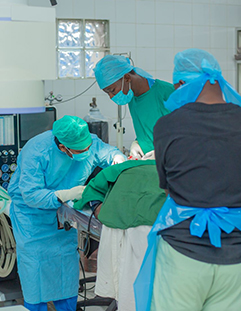
Surgical Interventions: In severe cases, a surgical procedure called ovarian drilling may be considered to lower androgen levels and promote regular ovulation. However, this is typically seen as a last resort.
It’s easy to confuse PCOD with another term, POCD (Polycystic Ovary Disease), but they are often used interchangeably. However, PCOD refers more to the condition in which the ovaries develop multiple cysts, while POCD refers to the chronic disease state that may result from untreated PCOD over time.
While medications and clinical treatments are essential, some women seek natural remedies to manage PCOD symptoms. Herbal supplements, acupuncture, and stress reduction techniques (such as yoga and meditation) have gained popularity as alternative treatments. However, it’s important to note that these remedies should complement, not replace, conventional treatments.
Preventing PCOD: Is It Possible?
Though there’s no guaranteed way to prevent PCOD, certain lifestyle choices can reduce the risk or help manage symptoms:
Maintain a healthy weight: Keeping a balanced weight can help regulate insulin levels and reduce the risk of developing PCOD.
Stay active: Regular exercise improves insulin sensitivity, helps manage weight, and promotes hormonal balance.
Eat a balanced diet: A diet rich in whole grains, lean proteins, fruits, and vegetables can reduce insulin resistance and inflammation.
Understanding what happens in PCOD is the first step toward managing it effectively. Whether you’re dealing with a PCOD problem in Sierra Leone or anywhere else, the key to managing PCOD lies in early diagnosis and a personalized treatment plan. By taking proactive steps—such as maintaining a healthy lifestyle, seeking regular medical check-ups, and understanding your body—you can manage PCOD and lead a fulfilling, healthy life.
As awareness continues to grow, so does hope for better treatment and support for women with PCOD worldwide. Don’t ignore the symptoms; reach out to a healthcare provider and take control of your reproductive health today!